Embark on a delightful journey into the past with freely available vintage dress patterns in PDF format! These patterns unlock a world
of timeless elegance, allowing you to recreate iconic styles from bygone eras without significant cost. Discover the charm and artistry of
historical fashion, accessible right at your fingertips, and begin crafting unique, beautiful garments today.
The Allure of Vintage Fashion
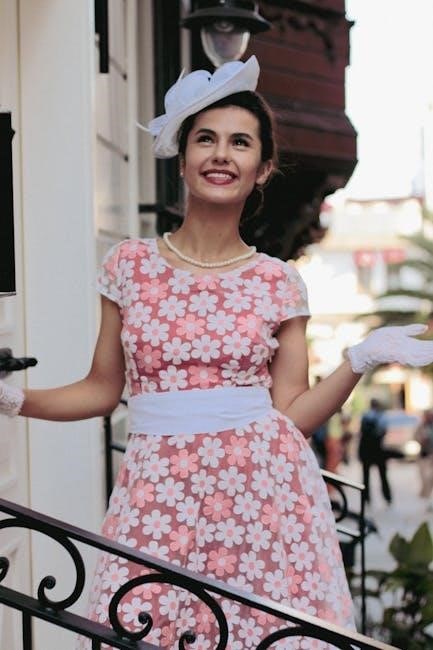
Vintage fashion possesses an undeniable magnetism, a captivating blend of artistry, history, and individuality that modern clothing often lacks. The silhouettes, details, and craftsmanship of past decades offer a refreshing alternative to contemporary trends, allowing for self-expression through unique and timeless styles.
Free vintage dress patterns, particularly those available as PDFs, democratize access to this alluring world. They provide an opportunity to connect with the past, understand the evolution of fashion, and appreciate the skill involved in creating garments by hand.
Beyond aesthetics, vintage clothing often represents a slower, more considered approach to consumption. Recreating these pieces through sewing fosters a mindful connection to the making process and encourages sustainable fashion practices. The elegance of a 1920s flapper dress or the sophistication of a 1950s tea dress are readily attainable, offering a touch of glamour and nostalgia to the modern wardrobe.
Why Use PDF Patterns?
PDF patterns have revolutionized the accessibility of vintage sewing, offering numerous advantages over traditional paper patterns. Firstly, they are instantly downloadable, eliminating shipping costs and wait times – a crucial benefit when inspiration strikes! Secondly, PDF patterns are often free, or significantly cheaper, than their paper counterparts, making vintage dressmaking more affordable.
Furthermore, PDF patterns are incredibly convenient. You only print the sizes you need, saving paper and reducing clutter; The ability to download and print repeatedly is invaluable for pattern adjustments or if sections become damaged.
Downloading is straightforward – simply click and “Save link as” to your device, though be mindful of potential advertisements. While some sites may display ads, legitimate sources offer patterns without requiring personal information. This digital format empowers sewists to embrace vintage styles with ease and efficiency.
Where to Find Free Vintage Dress Patterns
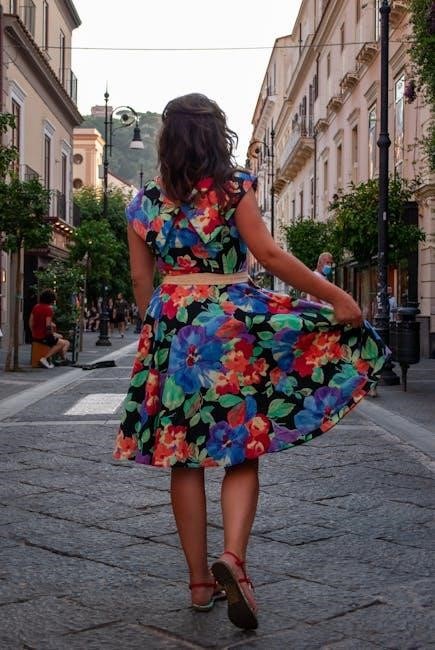
Numerous online resources offer free vintage dress patterns in PDF format, including blogs like Vivat Veritas, Tiana’s Closet, Reddit’s r/freepatterns, and The Vintage Pattern Shop.
Vivat Veritas Blog – A Hidden Gem
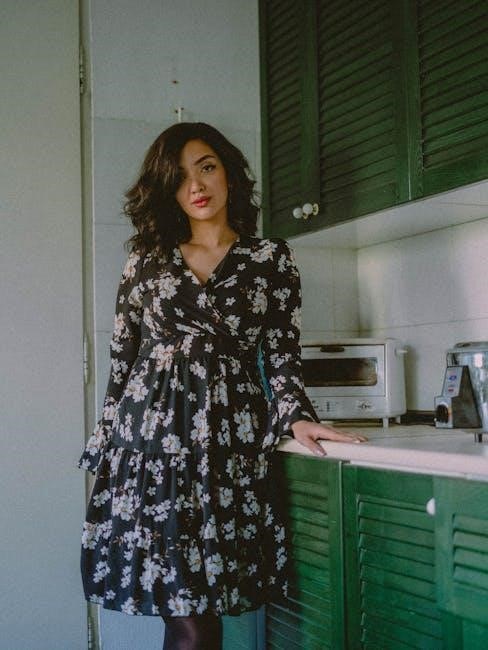
Vivat Veritas Blog presents itself as a fantastic, though visually understated, resource for free vintage patterns. While the site’s aesthetic is simple, lacking abundant photographs, it compensates with a solid collection of downloadable PDFs. This blog is a true hidden gem for sewing enthusiasts seeking authentic vintage designs.
Currently, you can find patterns for garments like shorts with patch pockets, blouses featuring elegant chiffon sleeves, and beautifully shaped sundresses. These patterns offer a diverse range of projects, suitable for various skill levels. The available illustrations are helpful, guiding you through the construction process.
Vivat Veritas is an excellent starting point for anyone wanting to explore vintage sewing and create unique, timeless pieces. It’s a source of inspiration for planning and making wonderful vintage clothes, offering a delightful dive into retro fashion!
Tiana’s Closet – Direct Downloads
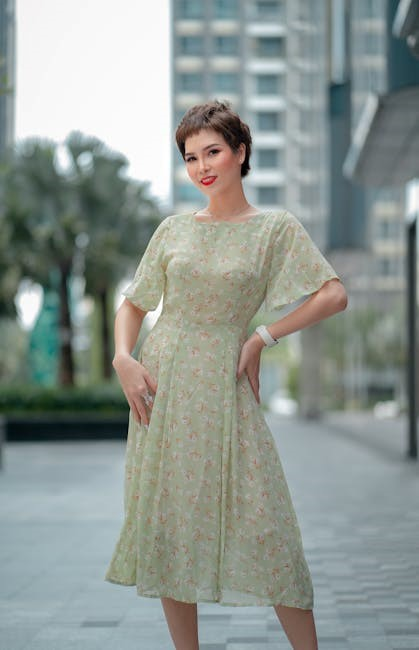
Tiana’s Closet provides a straightforward and convenient way to access free vintage sewing patterns in PDF format. The download process is remarkably simple: just click the provided link and select “Save link as” to directly download the pattern file to your device. This direct download approach eliminates unnecessary steps and gets you sewing quickly.
However, be aware that an advertisement may appear during the download process; simply close it to continue. It’s important to exercise caution and ignore any advertisements requesting personal information, as Tiana’s Closet does not require any such details for pattern access.
The Darlene vintage-style dress pattern is readily available, offering a charming design for your next sewing project. Tiana’s Closet prioritizes easy access and a hassle-free experience for vintage sewing enthusiasts.
Reddit’s r/freepatterns – Community Finds
Reddit’s r/freepatterns subreddit is a vibrant hub for sewing enthusiasts, frequently sharing links to free vintage patterns, including those in PDF format. This community-driven platform offers a diverse range of finds, often discovered and shared by fellow members passionate about vintage fashion. Users regularly post about their sewing projects, completed garments, and newly discovered pattern resources.
Recent posts showcase finished pieces created from vintage patterns, alongside requests for assistance and shared knowledge. You might encounter links to blogs brimming with patterns, or even discover free patterns for specific items like corsets, accompanied by helpful video tutorials.
The subreddit is a fantastic place to connect with other sewists, exchange tips, and uncover hidden gems within the world of free vintage patterns.
The Vintage Pattern Shop – Overview and Resources
The Vintage Pattern Shop presents a curated collection of vintage dress patterns, offering a unique opportunity to recreate iconic styles from decades past. The shop emphasizes the allure of these patterns, highlighting how they allow sewists to connect with fashion history and craft truly individual garments. While not exclusively focused on free patterns, the site serves as an excellent resource for understanding the world of vintage sewing.
The shop provides an overview of vintage dress patterns, explaining their historical context and the distinctive characteristics of each era. It’s a valuable starting point for beginners, offering insights into pattern terminology and construction techniques.
Though primarily a marketplace, The Vintage Pattern Shop’s resources enhance the experience of working with vintage patterns, even those sourced elsewhere as PDFs.
Understanding Vintage Pattern Sizes
Navigating vintage sizing requires careful attention, as standards have dramatically shifted over time; accurate measurements and conversions are crucial for a successful fit!
Sizing Differences Across Decades
Vintage pattern sizing wasn’t standardized like modern sizing, presenting a unique challenge for sewists. Sizes varied significantly not only between pattern companies but within a single company across different decades. For example, a size 14 in a 1950s pattern will likely be considerably smaller than a modern size 14.
During the 1920s and 30s, sizing was often based on bust measurements, with less emphasis on waist and hip; The 1940s saw the introduction of more standardized sizing, but wartime fabric rationing influenced garment cuts and fit. The 1950s, known for its defined silhouettes, featured more fitted patterns, and sizes began to align more closely with modern standards, though still differing.
Understanding these historical shifts is vital when working with free vintage dress patterns. Always prioritize measuring yourself accurately and comparing those measurements to the pattern’s size chart, rather than relying on the labeled size alone. Ignoring these differences can lead to a poorly fitting garment, requiring extensive alterations.
Converting Vintage Sizes to Modern Standards
Accurately converting vintage pattern sizes to modern standards is crucial for a successful sewing project. Begin by meticulously measuring your bust, waist, and hips. Then, compare these measurements to the vintage pattern’s size chart – don’t simply assume your usual size will fit!
Many online resources offer vintage size conversion charts, but these should be used as a starting point, not a definitive guide. Consider the era of the pattern; earlier decades often had smaller sizes. A common approach is to add several inches to the vintage measurements to approximate a modern fit, particularly across the bust and waist.
Always make a muslin (test garment) using inexpensive fabric before cutting into your final fabric. This allows you to assess the fit and make necessary adjustments. Don’t hesitate to grade between sizes if your measurements fall between two options on the vintage chart. Careful conversion ensures a beautifully fitting vintage-inspired dress.

Popular Vintage Dress Styles Available for Free
Explore a diverse range of free vintage dress styles, including glamorous 1920s flapper dresses, elegant 1930s bias-cut gowns, and charming 1940s tea dresses!
1920s Flapper Dresses
Step into the Jazz Age with free patterns for iconic 1920s flapper dresses! Characterized by their loose, straight silhouettes and dropped waists, these dresses epitomize the era’s rebellious spirit and newfound freedom. Look for patterns featuring fringe, beads, and sequins – hallmarks of flapper style.
Many free PDF patterns offer variations, from simple day dresses to more elaborate evening gowns. Consider fabrics like silk, chiffon, or velvet to capture the luxurious feel of the decade. Don’t forget to accessorize with long strands of pearls, feathered headbands, and T-strap shoes to complete the look. Recreate the dazzling energy of the Roaring Twenties with a beautifully sewn flapper dress, a testament to a revolutionary period in fashion history!
1930s Bias-Cut Gowns
Experience the elegance of the 1930s with free patterns for exquisitely draped, bias-cut gowns. This decade favored a more streamlined and sophisticated silhouette, moving away from the looser styles of the 1920s. Bias cutting – a technique where fabric is cut diagonally across the grain – allowed for a beautiful, flowing drape that accentuated the natural curves of the body.
Search for PDF patterns featuring cowl necks, long sleeves, and subtle embellishments. Fabrics like silk crepe, satin, and rayon were popular choices, enhancing the gown’s luxurious feel. These dresses often featured a more fitted bodice and a gently flared skirt. Embrace the glamour and sophistication of the 1930s by creating a timeless bias-cut gown, a true masterpiece of vintage fashion!
1940s Tea Dresses
Discover the charming practicality of 1940s tea dresses with accessible free PDF patterns. Reflecting the wartime era, these dresses combined style with resourcefulness. Characterized by fitted bodices, nipped-in waists, and knee-length, gently flared skirts, tea dresses were versatile enough for everyday wear or more formal occasions.
Look for patterns featuring details like puffed sleeves, collared necklines, and delicate floral prints. Fabrics like cotton and rayon were commonly used, offering both comfort and durability. These dresses often incorporated clever design elements to minimize fabric usage, a necessity during wartime rationing. Recreate the understated elegance and timeless appeal of a 1940s tea dress – a perfect blend of vintage charm and practical style!
1950s Full-Skirted Dresses
Embrace the iconic silhouette of the 1950s with free PDF patterns for full-skirted dresses! This decade celebrated femininity and glamour, and the full-skirted dress was its defining garment. These dresses typically feature a fitted bodice, a cinched waist, and a dramatically flared skirt, often reaching knee-length or longer.
Search for patterns showcasing details like sweetheart necklines, cap sleeves, and vibrant prints – polka dots, florals, and gingham were particularly popular. Petticoats were essential for achieving the desired fullness and bounce. These dresses were perfect for dancing, picnics, and everyday life, embodying the optimistic spirit of the era. Recreate a classic 1950s look and experience the joy of a beautifully flared, vintage-inspired dress!
Working with Vintage PDF Patterns
Successfully utilizing free vintage PDF patterns requires careful printing, assembly, and understanding of older terminology; prepare for a rewarding, albeit potentially intricate, sewing experience!
Printing and Assembling the Pattern
Downloading a free vintage PDF pattern is just the first step; proper printing and assembly are crucial for accurate cutting and sewing. Ensure your printer settings are configured to print at 100% scale – avoid options like “fit to page,” as this will distort the pattern pieces. A test square, often included in the PDF, is invaluable for verifying correct scaling before printing the entire pattern.
Once printed, carefully cut out each pattern piece along the designated lines. Many vintage patterns come as multiple pages that need to be taped together. Align the matching lines precisely and use a reliable tape – pattern-making tape is ideal, but clear tape can work in a pinch. Take your time during this process; accurate assembly is fundamental to a well-fitting garment. Consider using a large, flat surface for assembly to maintain accuracy and prevent distortion.
Understanding Vintage Pattern Terminology
Navigating vintage patterns requires familiarizing yourself with terminology that differs from modern sewing instructions. Terms like “darts,” “gathers,” and “seam allowances” remain consistent, but you’ll encounter phrases less common today. Expect to see instructions referencing “easing” – subtly shaping fabric to fit a curve – or “staying” – reinforcing areas with interfacing or tape.
Vintage patterns often assume a base level of sewing knowledge, providing less detailed explanations; Abbreviations were also frequently used, so a pattern key is essential. Be prepared for measurements given in inches, and understand that seam allowances may vary; typically, they are 5/8 inch, but always confirm on the pattern itself. Researching vintage sewing techniques online can further clarify unfamiliar terms and methods, ensuring a smoother sewing experience.
Necessary Tools and Materials
Successfully recreating vintage dresses from PDF patterns requires a specific toolkit. Beyond the basics – sewing machine, thread, scissors, pins – consider pattern tracing paper for preserving the original digital file. A rotary cutter and mat are helpful for precise fabric cutting, while a seam ripper is essential for inevitable corrections.
Vintage patterns often call for specific interfacing types, so research appropriate options. You’ll need measuring tape, a ruler, and potentially French curve for accurate pattern adjustments. Fabric choices are crucial; consider materials authentic to the era, like rayon, cotton sateen, or crepe. Don’t forget basic hand-sewing needles, a thimble, and an iron for pressing seams. Having these tools prepared will streamline your vintage dressmaking project.
Tips for Successful Vintage Dressmaking
Mastering vintage dressmaking involves careful fabric selection, pattern adaptation for a modern fit, and researching authentic sewing techniques for beautiful results!
Fabric Choices for Authentic Looks
Selecting the right fabric is crucial for achieving an authentic vintage aesthetic when working with free PDF patterns. Consider the decade the pattern originates from; different eras favored distinct materials. For 1920s flapper dresses, lightweight silks, chiffons, and velvets were popular choices, lending themselves to the flowing silhouettes and beaded embellishments of the time.
The 1930s, known for bias-cut gowns, benefited from fabrics like rayon and crepe, which draped beautifully and showcased the figure. In the 1940s, due to wartime restrictions, more practical fabrics like cotton and linen were common for tea dresses, but rayon was still used when available.
For 1950s full-skirted dresses, crisp cottons, poplins, and even heavier fabrics like brocade were frequently used to maintain the shape and volume. Researching the original fabrics used in similar garments will greatly enhance the authenticity of your finished vintage-inspired creation. Don’t be afraid to experiment, but always prioritize fabrics that complement the pattern’s design and intended drape.
Adapting Patterns for Modern Fit
Vintage patterns often reflect the silhouettes and body shapes of their respective eras, which may differ significantly from modern standards. Adapting these free PDF patterns for a contemporary fit often requires adjustments. Begin by comparing your measurements to those indicated on the pattern envelope – remember vintage sizing differs! Common alterations include adjusting the bust and waist, lengthening or shortening the bodice and skirt, and modifying shoulder widths.
Consider adding darts or princess seams for a more contoured fit if the original pattern is quite boxy. Ease, the amount of extra fabric for comfort, was often less generous in vintage designs, so adding a bit more ease to the bust and hips can improve wearability.
Don’t hesitate to create a muslin (test garment) to assess the fit before cutting into your final fabric. Careful adjustments will ensure your vintage-inspired dress flatters your modern figure beautifully.
Resources for Vintage Sewing Techniques
Successfully working with free vintage PDF dress patterns often necessitates learning techniques common to the era of the pattern. Online resources abound for mastering these skills! Websites and YouTube channels dedicated to vintage sewing offer tutorials on techniques like applying bias binding, inserting zippers (often different styles than modern ones), and creating rolled hems.
Understanding period-specific construction methods, such as tailoring techniques used in the 1940s or the draping common in the 1930s, will elevate your finished garment. Books on vintage sewing are also invaluable, providing detailed illustrations and explanations.
Don’t overlook online forums and communities where experienced vintage sewists share their knowledge and offer advice. Mastering these techniques will unlock the full potential of your free vintage patterns, allowing you to create truly authentic and beautiful dresses.